🌱 Oregano (Origanum vulgare)
🧾 Quick Facts
Oregano, scientifically known as Origanum vulgare, is a popular herb grown for both culinary purposes and as an ornamental houseplant. It's known for its aromatic foliage and is a part of the mint family. Here are some key facts about oregano as a houseplant:
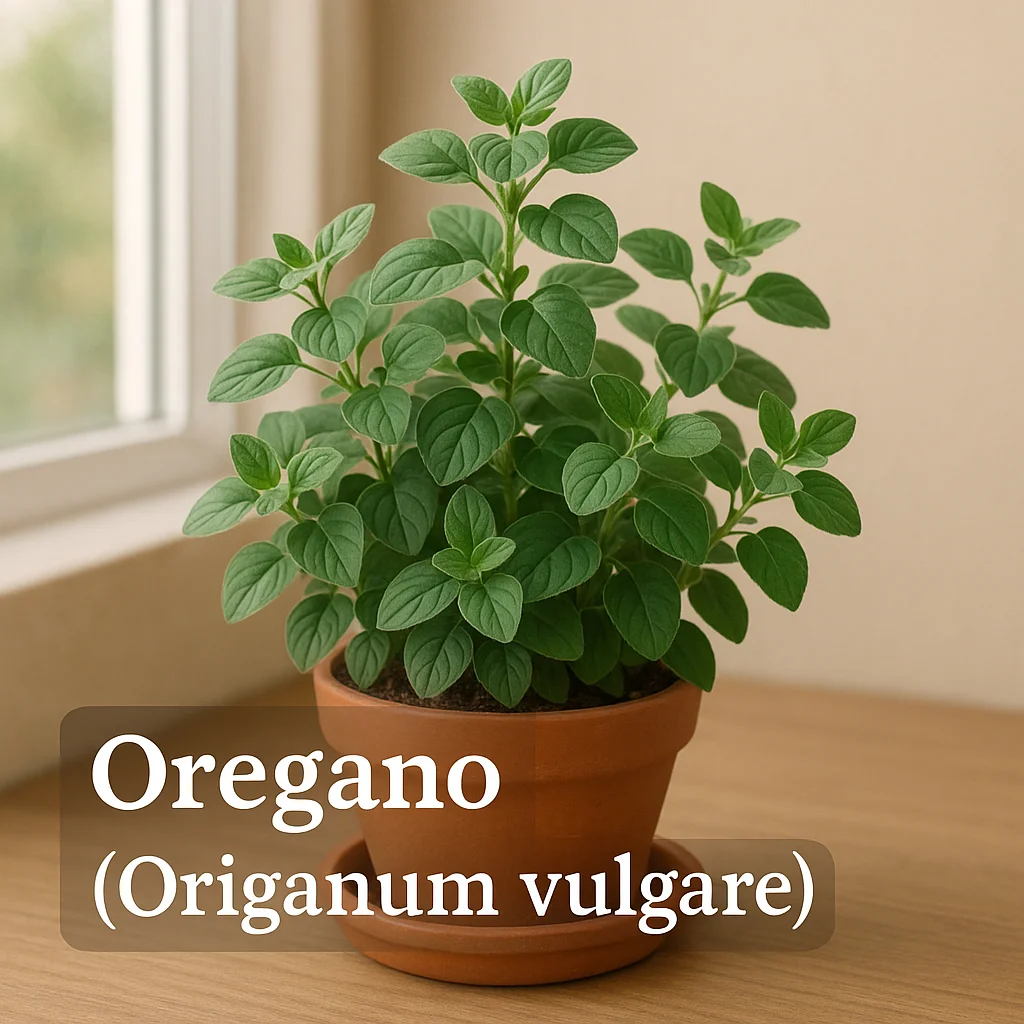
- Common Names: Oregano, Wild Marjoram
- Scientific Name: Origanum vulgare
- Plant Type: Herb
- Growth Habit: Shrub-like
- Typical Indoor Size: 12 to 24 inches in height, similar spread
- Growth Speed: Moderate
- Lifespan: Can live many years with proper care
- Origin: Mediterranean region
- Light Preference: Bright indirect light to some direct sun
- Water Needs: Moderate, prefers to dry out between waterings
- Temperature & Humidity Preference: Warm temperatures, moderate humidity
- Pet Safety: May be irritating/toxic to pets if ingested
- Difficulty: Easy to medium
🔍 Identification & Look-Alikes
Oregano is recognized by its small, oval-shaped leaves that are slightly fuzzy and have a pungent aroma. The leaves are usually dark green but can display a range of shades depending on light exposure. The stems are woody at the base and more tender towards the tips. Although oregano can produce small white to pink flowers, it is primarily grown for its foliage indoors.
Common look-alikes include other herbs in the mint family, such as marjoram and thyme. Oregano can be distinguished by its stronger scent and somewhat larger, spicier leaves.
- Top ID Tips:
- Small, oval, slightly fuzzy leaves
- Woody base stems
- Pungent, spicy aroma
- Produces small white to pink flowers
- Dark green foliage
- Grows upright with spreading habit
- Look-alikes include marjoram and thyme
🌍 Origin & Natural Habitat
Oregano is native to the Mediterranean region, where it grows abundantly in rocky, dry environments. It is adapted to warm climates and thrives in sunny areas. Seasonal changes in its native habitat include dry, hot summers and mild, wetter winters, which informs its care indoors.
Understanding oregano's natural habitat can help guide its care indoors. This herb prefers well-draining soil, regular but not excessive watering, and a setting that mimics the bright but gentle light it receives in the wild.
☀️ Light Requirements
Oregano thrives best in bright indirect light but can tolerate some direct sunlight, which can enhance its growth and leaf quality. Place it near a south- or east-facing window for optimal light conditions. If the light is too low, oregano may become leggy, while too much direct sun can scorch its leaves.
- Light Checklist:
- Bright indirect light is ideal
- Can handle some direct sun
- South or east-facing windows are best
- Avoid complete shade to prevent legginess
- Observe leaf condition for scalding or pale color
- Rotate plant periodically for even growth
💧 Watering & Humidity
Oregano requires a moderate watering routine. Water it thoroughly and allow the top inch of the soil to dry out between waterings. Overwatering can lead to root rot, so a pot with good drainage is essential. Humidity is generally not a concern, but maintaining moderate humidity can be beneficial.
- Watering Tips:
- Use soak-and-drain method
- Let topsoil dry between waterings
- Avoid leaving standing water in the pot
- Adjust frequency based on season and room temperature
- If leaves droop, check soil moisture
- Use dechlorinated water if possible
🐛 Soil, Pot & Repotting
A well-draining, sandy soil mix is ideal for oregano. Choose a pot with drainage holes to avoid waterlogging. Terracotta pots can help wick moisture and maintain air circulation around the roots. Repot oregano when you notice the plant becoming root-bound or if growth slows. Upsize the pot slightly each time.
- Repotting Checklist:
- Use light, well-draining soil mix
- Choose pots with drainage holes
- Terracotta pots can help manage moisture
- Repot when roots are circling inside the pot
- Perform gentle root loosening when repotting
- Upsize pot conservatively to prevent overwatering
🌡️ Temperature, Airflow & Seasonal Care
Oregano prefers warm temperatures between 60–75°F (15–24°C). It can tolerate occasional dips in temperature but avoid cold drafts. Ensure good airflow to prevent pest issues, and adjust care routines in winter as the plant may enter a semi-dormant state, reducing the need for water and nutrients.
- Seasonal Notes:
- Keep in temperatures of 60-75°F
- Avoid cold drafts and direct exposure to AC/heaters
- Reduce watering and feeding in winter
- Monitor for signs of stress during seasonal changes
- Encourage airflow to prevent mold and pests
- Consider using a fan in stagnant air environments
🌸 Flowers, Fruit & Growth Cycle
Oregano can flower indoors, typically producing small, clustered white to pink flowers. Blooms are more frequent in optimal light conditions. While it does not commonly fruit indoors, light, regular pruning can promote fuller growth and prevent legginess. Clean tools before pruning to ensure plant health.
🧬 Propagation & Reproduction
Oregano is commonly propagated through stem cuttings and division. This makes it relatively easy to multiply your plant collection. Stem cuttings should be taken just above a leaf node and placed in water or soil until roots develop. Division is best done during repotting.
- Propagation Tips:
- Take cuttings just above a node
- Root cuttings in water or well-draining soil
- Divide mature plants during repotting
- Use clean, sharp tools
- Monitor new plants closely for successful rooting
🌿 Common Problems, Pests & Prevention
Oregano can be susceptible to several common houseplant pests such as spider mites, aphids, and mealybugs. Regularly inspect the plant and ensure leaves are dust-free to prevent infestations. Yellow leaves may indicate overwatering, while brown tips could be a sign of underwatering or low humidity.
- Prevention Basics:
- Inspect for pests regularly
- Clean leaves with a damp cloth
- Avoid waterlogged soil
- Increase humidity carefully if needed
- Quarantine new plants before introducing them
- Maintain consistent care regimen
🐾 Pet & Home Safety Notes
Oregano contains compounds that may irritate pets if ingested in large amounts. To prevent accidental consumption, place plants out of reach of curious pets and children. If ingestion is suspected, it is advisable to contact a professional or local poison control resources for advice.
🏡 Styling Ideas & Best Room Placement
Oregano can be placed in kitchens and living areas where it can receive ample indirect light. It performs well in small pots on windowsills or as part of an indoor herb garden. Consider combining oregano with other sun-loving plants like rosemary and thyme for a thematic display.
📌 Summary
- Oregano is recognized by its small, aromatic, oval leaves
- Native to the Mediterranean, appreciates warm, bright conditions
- Requires moderate watering and drying out between waterings
- Well-draining, sandy soil mix with a pot that has drainage is crucial
- Pests like spider mites and mealybugs are common concerns
- Propagation through stem cuttings and division is straightforward
- May be irritating to pets if ingested, keep out of reach
- Easy to medium difficulty, ideal for herb enthusiasts