🌱 Scale Insects: Treatment Guide
🧾 Quick Facts
Scale insects are a common pest that afflict a wide variety of houseplants. They are known for their ability to attach themselves to plants and suck out sap, causing damage if left unchecked. Here's a breakdown of essential facts about scale insects:
- Common names: Scale insects, Armored scale, Soft scale
- Scientific name: Varies / commonly listed under genera such as Coccus, Saissetia, and Diaspis
- Pest type: Sap-sucking insect
- Growth habit: Adheres to leaves and stems
- Typical indoor size: 1-5 mm in diameter
- Growth speed: Variable depending on conditions but often fast when conditions are suitable
- Lifespan: Several weeks to months; varies by species
- Origin: Worldwide distribution across various climates
- Light preference: Host plants vary from low to bright indirect light
- Water needs: Affects plants more in dry conditions; infests various moisture levels
- Temperature & humidity preference: Thrives in warm and humid environments
- Pet safety: May lead to irritation in pets if ingested; seek professional advice if severe
- Difficulty in removal: Medium to Advanced
🔍 Identification & Look-Alikes
Scale insects can be difficult to identify at first glance, especially to the untrained eye, given their propensity to blend in with the plant's natural features.
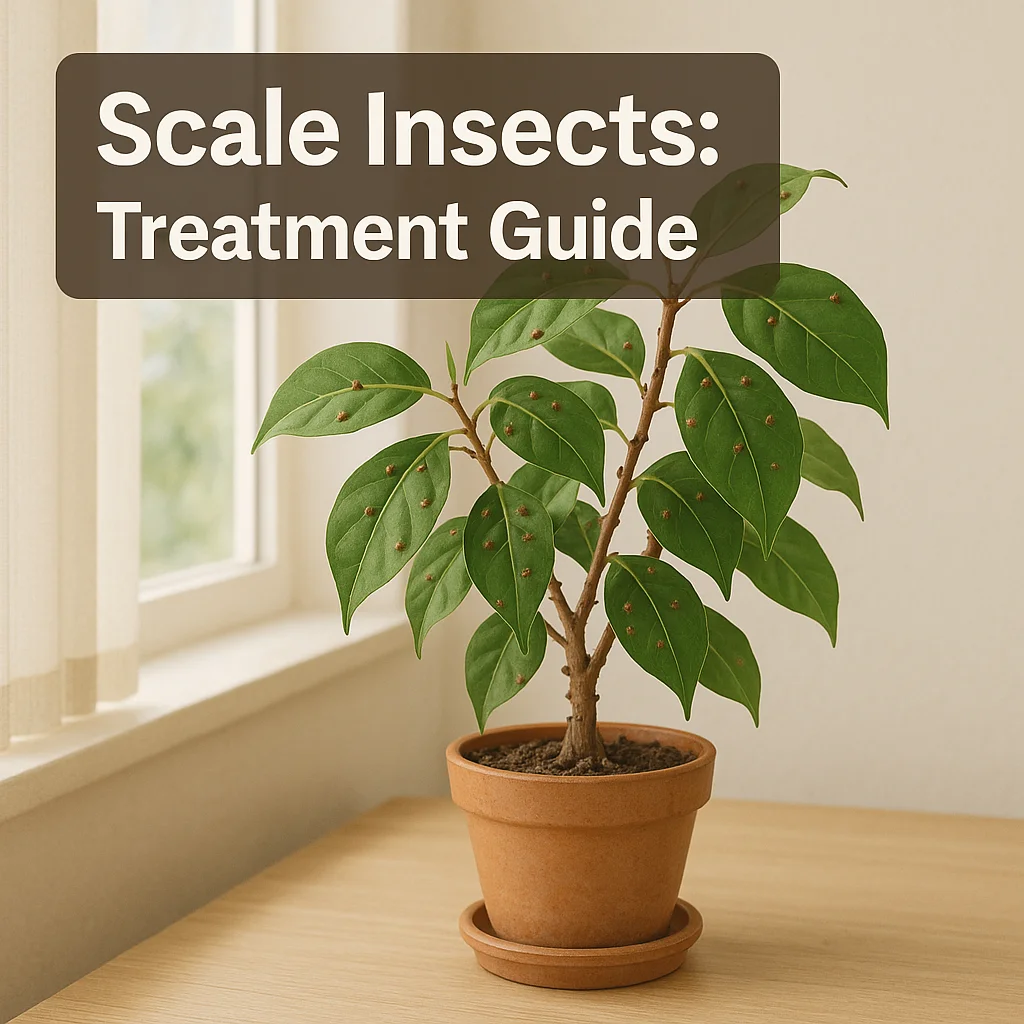
- Scale insects typically appear as small, rounded, or oval bumps on leaves and stems.
- They have a protective shell that may be flat or domed, which varies in color from brown, black, or green to nearly translucent.
- Their immobile, shell-covered bodies make them look more like growths on the plant than living creatures.
- Some varieties produce a sticky substance known as honeydew, which can attract other pests like ants.
- They're commonly mistaken for fungal or bacterial plant diseases or other houseplant pests like mealybugs.
- Top ID Tips:
- Check for small, shell-like bumps on stems and undersides of leaves.
- Observe the presence of sap residues or sooty mold which can develop on honeydew excretion.
- Inspect any ants activity, often an indicator of scale presence due to the honeydew.
- Notice plant deterioration such as wilting and yellowing leaves.
- Compare plant health with previous observations to detect sudden decline indicative of scale damage.
🌍 Origin & Natural Habitat
Scale insects are distributed worldwide, thriving in a variety of environments where their host plants can survive. Their adaptability allows them to colonize temperate to tropical regions, taking advantage of greenhouse environments and household conditions to proliferate.
Most scale insects naturally reside on their host plants' leaves and stems, usually in dense plant populations like forest understories or lush greenhouses. Their survival and proliferation are closely linked to their host plants, which usually grow in environments with a steady source of moisture and warmth.
Understanding their natural habitat helps in developing effective control methods by ensuring you replicate less favorable conditions for them indoors—those that don't support their favored environment of warm, humid, and shaded conditions.
☀️ Light Requirements
While scale insects aren't directly affected by light, their prevalence on host plants can be influenced by light conditions. Plants in low light may be weakened and more susceptible to infestations, while plants in bright, indirect light tend to be healthier and more resilient.
- Light Checklist:
- Ensure the host plant is in medium to bright indirect light to maintain health.
- Avoid placing plants in harsh, direct sunlight, which can stress plants and attract scales.
- Consistently rotate plants to ensure even light distribution and discourage infestations.
- Clean dust off leaves regularly to maximize light absorption.
- Monitor new growth for resilience, indicating the plant isn't compromised by scale.
💧 Watering & Humidity
Plants suffering from scale infestations require balanced watering. Overwatering can lead to root rot, which further stresses plants, making them susceptible to scale and other pests.
- Watering Tips:
- Adopt a 'soak and dry' approach—allow the topsoil to dry out between watering to prevent the ideal humid conditions for scales.
- Ensure pots have proper drainage to prevent waterlogging.
- Increased air circulation can reduce humidity, making the environment less favorable for scales.
- Avoid misting infected plants, as high humidity encourages scale growth.
- Check the potting mix for moisture retention—plants with persistent sogginess may face greater scale risk.
🐛 Soil, Pot & Repotting
While scales don't affect the soil, a healthy root environment supports overall plant health, making the plant more resilient to pest attacks.
- Repotting Checklist:
- Use a well-draining soil mix to prevent root problems that could exacerbate scale issues.
- Select pots with generous drainage holes.
- Repot only when rootbound or if the soil is compacted, as stressed plants are generally more prone to pest infestations.
- When repotting, inspect roots and remove damaged areas, checking for excessive sap that might indicate heavy scale presence.
🌡️ Temperature, Airflow & Seasonal Care
Scale insects prefer warm, humid environments similar to those experienced in the summer. Maintaining controlled indoor conditions can help manage these pests effectively.
- Seasonal Notes:
- Keep plants away from direct heat sources such as radiators, which offer overly warm and dry conditions.
- Ensure good airflow with fans or open windows but shield plants from excessive drafts.
- Monitor temperature shifts closely—especially for tropical plants—to prevent plant shock and subsequent scale vulnerability.
- Adjust watering to season; typically less in winter when growth slows.
🌸 Flowers, Fruit & Growth Cycle
Scale insects don’t affect the flowering directly, but they can stress plants to a point where blooming is limited or nonexistent due to the strain on the plant itself.
Propagation heavily depends on the host plant's health; therefore, when treating scales, monitor new shoots and buds for indications of recovery or setbacks in growth.
🧬 Propagation & Reproduction
Controlling scale populations is crucial before considering any propagation attempts of infected plants. Common propagation methods depend on the plant’s type but typically involve stem cuttings or division.
- Propagation Tips:
- For plants heavily colonized, practice pest management before any propagation.
- Sanitize tools to prevent scale spread during cutting.
- Avoid propagating visibly stressed or infested plants.
- Monitor new cuttings closely for pest emergence before introduction to other plant areas.
🌿 Common Problems, Pests & Prevention
Scale insects can cause yellow leaves, wilting, and backgrowth. They may also precede or accompany other pests due to plant stress.
- Prevention Basics:
- Regularly inspect plants to catch early scale infestations.
- Quarantine new plants to monitor and prevent bringing pests into home spaces.
- Maintain consistent care practices, stabilizing watering, light, and nutrients to enhance plant vitality.
- Boost defenses with occasional neem oil or insecticidal soap spritz as repellent measures—not directly for eradication without further professional consultation.
🐾 Pet & Home Safety Notes
Scale insects themselves pose no significant toxicity threat, but their honeydew secretion can encourage mold growth that may irritate sensitive individuals, pets, or children. Maintain hygiene around plant areas to minimize exposure. In event of potential ingestion by pets, reach out to veterinary or poison control resources.
🏡 Styling Ideas & Best Room Placement
Scale-prone plants can be placed in rooms like offices or kitchens where routine attention aids in monitoring. Accompany susceptible plants with those known for pest resistance or deterrent characteristics to reduce scale growth potential.
Consider setting these plants within open, higher-airflow spaces rather than cramped environments that harbor humidity.
📌 Summary
- Scale insects are notorious pests known for their minimal mobility, appearing often as tiny, shell-like bumps.
- Distributed globally, they thrive in warm environments and exploit household plant setups.
- Preferred light for reducing susceptibility is medium to bright indirect.
- A thorough 'soak and dry' watering regimen suits scales-affected plants best.
- Proper, well-draining soil and cautious repotting minimize plant vulnerability to condition stressors.
- Ensure stable temperatures and good airflow; minimize dramatic environmental shifts.
- Step up sanitation and conservative care with monitoring closely, especially upon new growth appearance.
- Companion plant with species recognized for inherent pest deterrence.